Turning Passion into Profession: The Business of Magic and How to Make a Career from Performing Magic Tricks
Magic has mesmerized audiences for centuries, transforming simple moments into unforgettable experiences of wonder. But for those who dream of more than just occasional applause, the question remains: how do you turn this enchanting art form into a thriving and sustainable career? The business of magic is intricate, blending performance artistry with entrepreneurial grit. From choosing your magical niche to building a brand, securing bookings, and diversifying income streams, the path to becoming a professional magician is as fascinating and multifaceted as the tricks themselves.
This article explores the real-world steps, strategies, and business insights needed for aspiring magicians to move from hobbyists to paid professionals. Whether your ambitions lie on grand stages, at bustling corporate events, or captivating children at birthday parties, understanding the business side of magic is essential for success.
The Magic Market: Understanding Opportunities and Demand
Magic is more than a performance—it's a business sector with its own trends, niches, and opportunities. In the United States alone, the live entertainment industry is valued at over $35 billion (Statista, 2023), with magicians carving out a significant niche, especially in private and corporate event markets.
The demand for magicians varies across regions and event types. For example, wedding and corporate event bookings for magicians have risen by over 15% in the past five years (Eventbrite, 2022). Magicians are also increasingly sought after for trade shows, product launches, festivals, and digital performances.
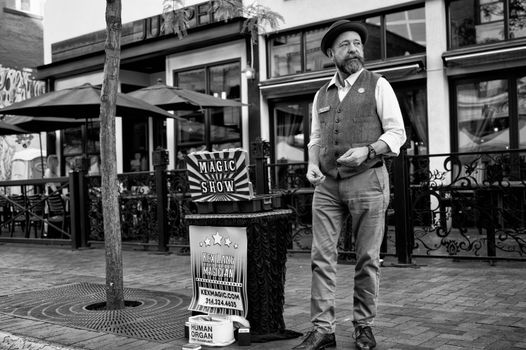
Key Market Segments for Professional Magicians: - Private Events: Birthday parties, weddings, anniversaries - Corporate Events: Team-building sessions, product launches, conferences - Public Shows: Theatres, cruise ships, casinos - Educational Performances: Schools, libraries, workshops - Digital Magic: Online shows, virtual workshops, social media contentUnderstanding where demand is highest in your region and which segments align with your style is the first step toward building a successful business. For instance, children’s party magicians often see more frequent bookings but lower average fees than corporate magicians, who might perform fewer but higher-paying gigs.
Branding Yourself: Creating a Unique Identity in Magic
In a field where performance is everything, your brand is the magic that happens offstage. Developing a professional identity helps you stand out in a crowded marketplace and attract your ideal clients.
Key Elements of a Magician's Brand: - Stage Name and Persona: Many successful magicians craft memorable stage names and characters. Think of Penn & Teller’s quirky partnership or the mysterious style of Derren Brown. - Visual Identity: Consistent use of logos, colors, and costume styles across your website, social media, and promotional materials. - Signature Act or Style: Are you a comedy magician, a mentalist, or a classic sleight-of-hand artist? Specializing can help you target specific markets. - Online Presence: In today’s digital age, a professional website and active social media profiles are essential. Over 72% of event planners say they research performers online before booking (EventMB, 2022).Case Example: Magician Lucy Darling (Carisa Hendrix) combines vintage glamour with witty storytelling, carving out a niche that resonates with upscale corporate and theatre audiences worldwide.
Building a Sustainable Income: Diverse Revenue Streams in Magic
A sustainable career in magic rarely relies on a single source of income. The most successful magicians diversify their revenue streams, balancing live performances with other business ventures.
Here’s a comparative table of common income sources for magicians:
| Revenue Source | Typical Earnings (per gig or month) | Pros | Cons |
|---|---|---|---|
| Private Parties | $200 – $1,000 per event | Frequent bookings, variety of audiences | Lower rates, high competition |
| Corporate Events | $1,000 – $10,000 per event | High pay, professional environment | Fewer gigs, higher expectations |
| Public Shows/Theatre | $500 – $5,000 per show | Brand building, ticket sales | Marketing costs, variable audience sizes |
| Digital Performances | $250 – $5,000 per show | Wider reach, lower travel costs | Tech setup required, variable demand |
| Merchandise & Magic Kits | $100 – $5,000 per month | Passive income, brand extension | Inventory, marketing required |
| Workshops & Lectures | $300 – $2,500 per session | Educational impact, authority building | Requires teaching skills, prep time |
Many magicians supplement live shows with digital content, merchandise, or teaching. For example, magician Jay Sankey has built a significant business selling magic tutorials online, reaching over 200,000 students worldwide.
Marketing Magic: Strategies to Attract Clients and Grow Your Audience
Business success in magic depends as much on marketing as on performance skill. With over 20,000 working magicians in North America alone (International Brotherhood of Magicians, 2023), standing out requires strategic outreach and networking.
Effective Marketing Strategies for Magicians: 1. Professional Website: A mobile-friendly website with videos, client testimonials, and booking information is the cornerstone of your digital presence. According to Booking.com, 67% of event planners prefer to contact entertainers via their websites. 2. Social Media Engagement: Use platforms like Instagram, TikTok, and YouTube to showcase tricks, backstage moments, and client reactions. Viral videos can launch careers—just look at America’s Got Talent contestant Shin Lim, who gained millions of followers through online clips. 3. Email Newsletters: Build a mailing list to announce upcoming shows, share magic tips, and offer exclusive deals. 4. Networking with Event Planners: Attend trade shows and local business events to build relationships. Over 60% of corporate bookings come through referrals or professional connections (Eventbrite, 2022). 5. Leveraging Reviews and Testimonials: Encourage happy clients to leave reviews on Google, Facebook, and event platforms. Positive feedback builds trust and credibility.Example: The Magic Castle in Hollywood, a renowned private club for magicians, reports that over 80% of their booked acts are discovered through personal referrals or online portfolios.
The Business Side: Contracts, Pricing, and Professionalism
Turning magic into a career requires more than dazzling tricks—it demands business acumen. Clear contracts, transparent pricing, and professional conduct are critical for long-term success.
Key Considerations for Professional Magicians: - Contracts: Always use written agreements outlining performance details, fees, travel expenses, and cancellation policies. This protects both the performer and the client. - Pricing Strategy: Research local rates and adjust based on your experience and reputation. According to Thumbtack, the average hourly rate for magicians in the US is $150–$500, but top professionals charge far more. - Insurance: Liability insurance is essential, especially for public or large events. - Taxes and Accounting: Track income and expenses meticulously, and consider hiring an accountant familiar with entertainment professionals. - Professionalism: Arrive early, dress appropriately, and communicate clearly with clients. Word-of-mouth referrals often hinge on reliability as much as on performance quality.Fact: According to the International Brotherhood of Magicians, over 70% of client complaints about performers relate to professionalism and communication, not performance skill.
Innovation and Adaptation: The Future of Magic Careers
The entertainment landscape is constantly evolving. The COVID-19 pandemic, for example, accelerated the rise of virtual magic shows, with platforms like Zoom enabling magicians to reach international audiences from their living rooms. In 2021, digital magic performances saw a 300% increase in bookings compared to pre-pandemic levels (EventMB).
Emerging trends for magicians include: - Hybrid Shows: Combining live and virtual elements to reach broader audiences. - Social Media Monetization: Platforms like YouTube, TikTok, and Patreon provide new ways to earn income through ad revenue and fan subscriptions. - Collaborations: Partnering with musicians, comedians, or brands for unique experiences. - Customization: Tailoring acts to corporate messages or personalizing tricks for special events.Staying adaptable and open to new platforms and technologies is essential. The most successful magicians of the 21st century are those who continue to innovate, blending classic sleight-of-hand with modern engagement techniques.
Final Thoughts: Making Magic a Lasting Career
Building a career as a professional magician is a journey that blends artistry, business savvy, and relentless passion. The most successful magicians are those who treat their craft not just as a performance, but as an enterprise—strategically identifying markets, cultivating a unique brand, diversifying income, and embracing both tradition and innovation.
With the right blend of skill, marketing, and professionalism, it's entirely possible to turn the wonder of magic into a sustainable and rewarding livelihood. As the business of magic continues to evolve, so too do the opportunities for magicians ready to step into the spotlight and make their mark—not just as entertainers, but as entrepreneurs.