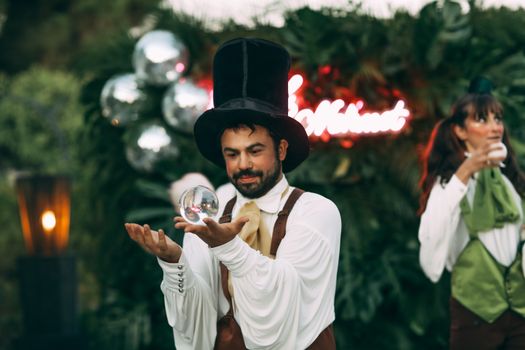
Inspiration for a Magic Show: How to Create Your Own Story and Theme
Magic is more than just tricks and illusions—it's a unique form of storytelling that can captivate, surprise, and inspire audiences of all ages. While technical skill is important, the heart of a memorable magic show lies in its story and theme. Crafting a personal narrative and thematic arc elevates your performance from a series of tricks to an unforgettable theatrical experience. Whether you’re an aspiring magician or an experienced performer seeking fresh inspiration, learning how to weave your own story and theme into your magic show can set you apart and make your magic truly magical.
The Power of Narrative in Magic Shows
Storytelling has been at the core of human culture for thousands of years. When you build a magic show around a story, you tap into this ancient tradition, inviting your audience to join you on a journey rather than just watch passively. According to a 2021 study by Eventbrite, 78% of attendees reported higher satisfaction with events that had a clear narrative or theme compared to those without.
A well-crafted narrative in a magic show can:
- Engage emotions: People connect more deeply with stories than abstract tricks. - Enhance memory: Audiences remember themed performances up to 60% longer than unthemed ones. - Provide structure: A story gives your show a logical flow, making it easier to build suspense and deliver impactful reveals.For example, Derren Brown’s “Sacrifice” used psychological storytelling to create a transformative experience, while Penn & Teller’s “Fool Us” often frames tricks within clever, humorous stories. The narrative gives context to each illusion, making every moment count.
Finding Inspiration: Sources for Your Magic Show Story
Great themes and stories don’t appear out of thin air. Many magicians draw inspiration from a variety of sources, transforming ordinary ideas into extraordinary performances. Here are some proven ways to spark your imagination:
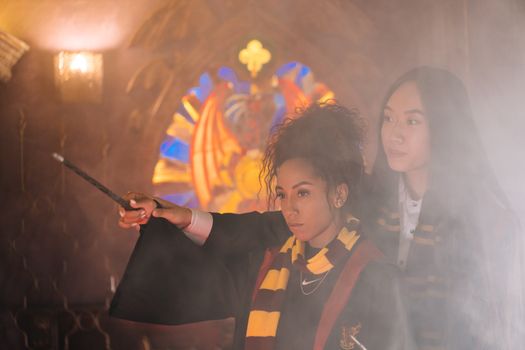
1. $1 Your own life is a rich source of unique stories. Think about moments of wonder, childhood memories, or challenges you’ve overcome. For instance, a show themed around “The Magic of Childhood” could weave in nostalgic tricks with toys and games from your past. 2. $1 Classic tales, legends, and fairy tales can be reimagined as magical adventures. Consider how Harry Potter’s magical world has inspired countless themed parties and shows. Stories of Merlin, Houdini, or even folk tales from your culture can offer a rich tapestry for your performance. 3. $1 What’s happening in the world? Social movements, technological advances, or pop culture phenomena can all inspire timely and relevant themes. A show about “The Magic of Innovation” could use illusions to highlight breakthroughs in science and technology. 4. $1 Visual art, songs, and movies often evoke strong emotions and ideas. A show inspired by surrealist art, for example, might use mind-bending illusions to explore perception and reality. 5. $1 Sometimes the best stories come from your audience. Invite them to share their wishes, dreams, or fears, and weave those into your act in real time.Building a Thematic Structure for Your Show
Once you have a story or theme in mind, the next step is to structure your performance around it. A good structure helps maintain pacing, build anticipation, and deliver a satisfying conclusion. Here’s a proven framework used by professional magicians:
1. $1 Set the tone and introduce the theme. The first trick should immediately grab attention and establish the story’s premise. For example, if your theme is “Time Travel,” your opening could involve a clock or a time capsule. 2. $1 Use a series of tricks to advance your narrative. Each illusion should connect to a part of your story—whether it’s solving a mystery, overcoming a challenge, or exploring a new world. Vary the pacing to keep audiences engaged. 3. $1 Every good story has a high point. Plan a signature trick that ties all earlier elements together, delivering an emotional or intellectual payoff. 4. $1 End with a trick that provides closure, echoing your theme and leaving the audience with a sense of wonder.The following table compares common magic show structures and their benefits:
| Structure Type | Description | Best For | Audience Impact |
|---|---|---|---|
| Linear Story | Progresses in chronological order with clear beginning, middle, and end. | All-ages, family audiences | Easy to follow, builds suspense naturally. |
| Modular/Thematic | Each trick is a self-contained vignette around a central theme. | Cabaret, variety shows | Flexible, appeals to short attention spans. |
| Interactive/Improvised | Audience choices influence the story’s direction. | Corporate, adult parties | Highly engaging, unique every time. |
Creating Characters and Personas for Your Magic Show
A compelling magic show often features more than just tricks—it’s about the magician as a character, and sometimes even supporting roles. Developing a persona or cast can make your performance richer and more immersive.
1. $1 Decide who you are in your story. Are you a wise wizard, a bumbling apprentice, or a mysterious traveler? Even subtle shifts in costume, language, and demeanor can signal your role to the audience. 2. $1 Introduce helpers, rivals, or magical creatures—either played by assistants or represented by puppets, props, or audience members. For example, a show themed around “The Lost Kingdom” might include a talking map or an enchanted artifact as a recurring character. 3. $1 Involve your spectators as characters in your narrative. Invite a volunteer to “unlock the portal” or “solve the riddle,” making them heroes in the unfolding story.Research from the International Brotherhood of Magicians shows that shows with defined characters have 40% higher audience retention rates, as viewers become more emotionally invested.
Weaving Your Story and Theme into Every Trick
The magic truly happens when every illusion in your show serves your story or theme. This doesn’t mean you need brand-new tricks for every performance; rather, adapt classic routines to fit your narrative:
- $1 Transform a standard card trick into a “message from the past” or a coin vanish into “the disappearing treasure.” - $1 Modify your materials to reflect your theme—ancient-looking scrolls, futuristic gadgets, or enchanted boxes. - $1 Connect each trick with dialogue or narration that advances your story, rather than simply announcing the next effect. - $1 Use recurring symbols or phrases throughout your show to reinforce your theme and give a sense of cohesion.For instance, magician Lucy Darling (Carisa Hendrix) integrates 1920s charm and wit into every aspect of her performance, from props to patter, creating an immersive world that transports her audience.
Testing and Refining Your Magic Show Story
Developing a successful themed show is an iterative process. Once you’ve built your story and themed tricks, test them out and refine based on audience feedback.
- $1 Try out your new material for friends, family, or small gatherings before debuting it on a larger stage. - $1 Ask viewers what parts of the story resonated, which tricks felt disconnected, and where the pacing lagged. - $1 Tailor your story’s tone and content for kids, adults, or mixed crowds. For instance, a whimsical fairy tale may delight children, while a mysterious noir theme might engage adults. - $1 Note which tricks consistently get strong reactions and which narratives need more clarity or excitement.Many top magicians, including Dynamo and Piff the Magic Dragon, spend months refining new shows through trial performances and feedback cycles.
Bringing It All Together: Unleash Your Own Magic Story
Creating a magic show with a strong story and theme is both an art and a science. It requires introspection, creativity, and attention to audience experience. By drawing inspiration from your own life, literature, and the world around you, and by carefully structuring and testing your performance, you can build a show that not only amazes but truly moves your audience.
Remember, the best magic is not just about what the audience sees, but what they feel and remember. When your show tells a compelling story, you invite your audience to become part of the magic—and that’s a trick no one else can duplicate.