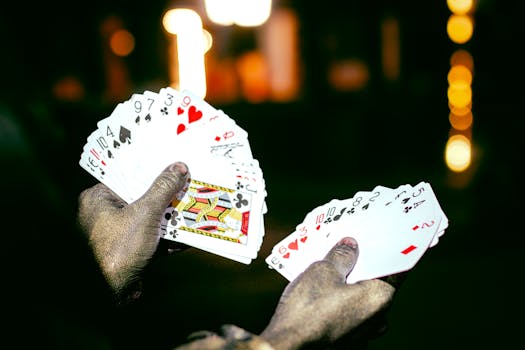
The Art of Sleight of Hand in Magic Tricks: Mastery, Methods, and Marvels
Magic has long enchanted audiences with its ability to twist reality and create unforgettable moments of wonder. But behind the curtain of grand illusions and dramatic stage effects lies a subtler, more intimate form of deception: sleight of hand. Often referred to as "the magician’s craft," sleight of hand transforms everyday objects—cards, coins, cups—into instruments of astonishment. Unlike large-scale illusions, it relies entirely on the dexterity, timing, and psychology of the performer. In this article, we’ll dive deep into the art of sleight of hand in magic tricks, exploring its history, techniques, psychology, and impact on both magicians and audiences. We’ll also compare sleight of hand to other forms of magic, highlighting what sets it apart in the world of illusion.
The Origins and Evolution of Sleight of Hand
Sleight of hand, sometimes known as "prestidigitation" or "legerdemain," has roots that stretch back thousands of years. Evidence of hand-based trickery appears in ancient Egyptian murals, with depictions of conjurers performing cup and ball routines as early as 2500 BCE. The Roman historian Seneca wrote about conjurers using "nimble fingers" to deceive spectators in the first century AD.
During the Middle Ages, sleight of hand was performed on street corners and at fairs, often by itinerant magicians. The word "sleight" itself derives from Old Norse "slœgð," meaning cunning or crafty. By the 19th century, with the rise of parlor and close-up magic, sleight of hand became a respected performance art. Legends like Jean Eugène Robert-Houdin and later, Dai Vernon (the "Professor"), elevated the craft, refining techniques and inspiring generations of magicians.
Today, sleight of hand is a cornerstone of modern magic, seen everywhere from television specials to YouTube tutorials and even competitive magic championships. Its rich history underlines the enduring fascination with what skilled hands can achieve in plain sight.
Core Techniques: The Building Blocks of Sleight of Hand
Unlike grand illusions that depend on props or elaborate setups, sleight of hand is all about manual mastery. Techniques are often hidden in plain view, requiring years of disciplined practice. Here are some of the most important foundational moves:
Palming: This involves secretly holding an object (such as a card or coin) in the hand in a way that it’s undetectable to the audience. Palming is essential for vanishes and productions.
False Shuffles and Cuts: Magicians use these to give the illusion that a deck of cards is thoroughly mixed, while actually keeping certain cards in order. This is crucial in card magic, where control is everything.
The Pass: A secret move allowing a magician to swap the positions of cards or packets in the deck. The classic pass is considered one of magic’s most difficult sleights.
Switches and Transformations: These moves allow an object to be swapped for another or to apparently change form. The coin switch, for example, can make a silver coin turn into a copper one, right under a spectator’s nose.
Misdirection: While not a "move" in the traditional sense, misdirection is inseparable from sleight of hand. It involves directing the audience’s attention away from the method and toward the magical effect.
Mastering even a single sleight can take months, while advanced magicians often spend decades refining their technique. According to a 2021 survey by the International Brotherhood of Magicians, 73% of members rated sleight of hand as the most challenging and rewarding aspect of their practice.
The Psychology Behind Sleight of Hand
Sleight of hand is as much a psychological art as it is a physical one. Magicians rely on the brain’s limitations—how it perceives, remembers, and processes information—to create convincing illusions. Here are some psychological principles at play:
Selective Attention: A classic experiment by Christopher Chabris and Daniel Simons, known as the "Invisible Gorilla," demonstrated how people often miss what happens right before their eyes when focused elsewhere. Magicians exploit this by guiding attention with gestures, eye contact, and patter.
Expectation and Assumption: The audience expects objects to behave in familiar ways. When a magician shuffles a deck, spectators assume the cards are truly mixed. Sleight of hand works by creating a believable context, then breaking that expectation for surprise.
Hand-eye Coordination and Timing: A 2014 study published in the journal "Frontiers in Human Neuroscience" found that expert magicians’ brain activity while performing sleight of hand differs from novices, especially in regions related to motor control and timing. This suggests that years of practice not only improve dexterity but also reshape brain function.
Psychological misdirection is often combined with physical sleights to create effects that seem genuinely impossible. For example, in the classic "French Drop" coin vanish, the magician’s gaze and gestures convince the audience that the coin is still in hand, even after it has been secretly removed.
Comparing Sleight of Hand to Other Magic Forms
While all magic aims to astonish, not all magic is created equal. Sleight of hand occupies a unique place in the magician’s toolkit, distinct from stage illusions, mentalism, and technology-assisted tricks. Here’s a quick comparison:
| Aspect | Sleight of Hand | Stage Illusions | Mentalism |
|---|---|---|---|
| Main Tools | Dexterity, psychology | Props, assistants, mechanics | Verbal cues, psychology, suggestion |
| Performance Setting | Close-up, parlor, street | Theater, large audiences | Anywhere, often close-up |
| Audience Interaction | High, often hands-on | Low to moderate | High, with mind-reading or predictions |
| Reliance on Technology | Minimal | Often extensive | Minimal |
| Skill Emphasis | Manual dexterity, timing | Stagecraft, engineering | Psychology, acting |
As shown, sleight of hand demands a unique blend of skill and subtlety, often performed inches from the spectator. This intimacy creates a powerful sense of impossibility—there are no trapdoors or hidden mirrors, just the magician, their hands, and pure skill.
Famous Sleight of Hand Magicians and Signature Tricks
Throughout history, certain magicians have become synonymous with sleight of hand, pushing the boundaries of what’s possible and inspiring both peers and audiences. Here are a few legendary figures:
Dai Vernon (“The Professor”): Credited with revolutionizing card magic in the 20th century, Vernon developed the "Ambitious Card" routine, where a chosen card repeatedly rises to the top of the deck, no matter how many times it is placed in the middle.
Slydini: An Italian-born master, Slydini was famed for his coin and handkerchief magic, using timing and misdirection so expertly that even other magicians struggled to detect his methods.
Ricky Jay: Renowned for his card manipulation and encyclopedic knowledge of magic history, Jay could throw playing cards with astonishing speed and accuracy, and perform flawless close-up routines for celebrities and royalty alike.
Shin Lim: A modern master, Lim’s sleight of hand and artistic presentations have won him multiple international awards, including “America’s Got Talent.” His signature tricks involve making playing cards appear, disappear, and transform in a poetic, almost balletic fashion.
These magicians represent the pinnacle of what sleight of hand can achieve—astonishing effects crafted solely through skill, practice, and artistry.
The Role of Practice and Perseverance in Mastery
The path to sleight of hand mastery is long and often solitary. According to the Magic Circle, a prestigious magic society, it takes an average of 500-1,000 hours to achieve proficiency in basic card sleights, and several years to master advanced moves. Many magicians practice in front of mirrors, record their hands on video, and even rehearse with their eyes closed to develop "muscle memory."
Failure is an inevitable part of the process. Even professionals drop coins, flash hidden cards, or mistime a move. Dai Vernon famously said, “Confusion is not magic.” The real art lies in making mistakes invisible and turning mishaps into moments of wonder through quick thinking and improvisation.
Sleight of hand also demands constant adaptation. New techniques emerge regularly, with creative magicians publishing books, videos, and even online courses. The global magic community thrives on this continual exchange of knowledge, pushing the boundaries of what’s possible.
Why Sleight of Hand Captivates Audiences
What makes sleight of hand so mesmerizing? For many spectators, it's the proximity and directness of the magic. When a coin vanishes from your own hand, or a card changes right under your fingertips, the sense of wonder is heightened. A 2020 survey by the Society of American Magicians found that 62% of audience members rated close-up sleight of hand as the most impressive genre of magic, above large-scale illusions and mentalism.
Additionally, sleight of hand often involves personal interaction, making the experience feel unique and unrepeatable. The magician’s personality shines through—whether playful, mysterious, or comedic—turning each performance into a shared moment of amazement.
In today's digital age, with skepticism about camera tricks and editing, live sleight of hand remains one of the few forms of magic that can consistently baffle and delight, right before your eyes.