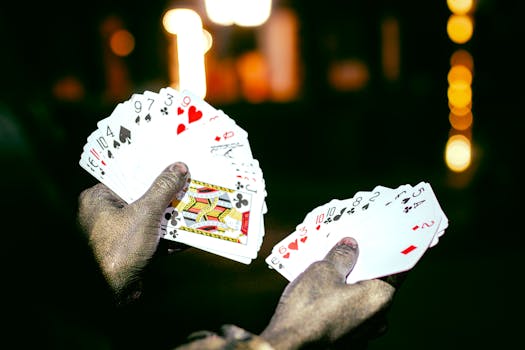
The Timeless Appeal of Card Magic Tricks
Card magic tricks have an enduring mystique that continues to enchant audiences of all ages. Whether performed on grand stages, in bustling street corners, or around a family dinner table, card magic offers a unique blend of skill, psychology, and entertainment. At its core, card magic is accessible—requiring only a standard deck of playing cards—and yet, in the hands of a skilled magician, it can create moments of genuine astonishment. In this article, we’ll explore the essentials of card magic: its history, foundational techniques, the importance of practice, and tips for aspiring magicians. Along the way, you’ll discover why card magic remains one of the most captivating forms of illusion.A Brief History of Card Magic: From Parlors to Prestigious Stages
The roots of card magic stretch back centuries, closely tied to the invention of playing cards in 9th-century China. However, it wasn’t until the 16th century that card magic began gaining popularity in Europe, coinciding with the spread of playing cards across the continent. Early card magicians were often seen performing simple tricks at fairs and gatherings, sometimes blurring the line between entertainment and gambling.A pivotal figure in the formalization of card magic was Jean Eugène Robert-Houdin, a 19th-century French magician known as the "father of modern magic." His influence, alongside innovators like Johann Nepomuk Hofzinser, helped advance card magic from street trickery to a respected theatrical art. By the late 1800s, card magic had become a staple of professional magic acts, with magicians like Howard Thurston and Dai Vernon making significant contributions to technique and presentation.
Today, card magic is a global phenomenon, featured on television (such as "Penn & Teller: Fool Us" and "America’s Got Talent"), at magic conventions, and even in online tutorials. According to the International Brotherhood of Magicians, over 13,000 members worldwide practice the art, many specializing in card magic.
Essential Card Magic Techniques Every Beginner Should Know
While the allure of card magic lies in its mystique, every trick is built on a foundation of time-tested techniques. Here are the most fundamental methods that form the backbone of countless card tricks: 1. Shuffling and False Shuffles: A convincing shuffle reassures the audience that the deck is randomly mixed. However, magicians often use false shuffles, such as the overhand shuffle or the Zarrow shuffle, which appear to mix the cards while secretly preserving specific orders. A 2012 study by Persi Diaconis, a mathematician and former magician, revealed that a deck needs at least seven real riffle shuffles to be properly randomized—a fact magicians cleverly exploit. 2. Cutting and False Cuts: Cutting the deck is another way to "randomize" cards, but with false cuts, magicians maintain control over certain cards or sequences. The triple cut and swing cut are popular false cut techniques, often used in conjunction with shuffling. 3. The Double Lift: Perhaps the most iconic move in card magic, the double lift allows a magician to turn over two cards as one, concealing the identity of the top card. This technique is a staple of classic tricks like "Ambitious Card" and requires precise finger control. 4. Palming: Palming is the act of secretly holding a card in the hand while making it appear empty. The magician can then produce or vanish cards at will. The magician S.W. Erdnase, in his 1902 book "The Expert at the Card Table," described several methods for effective palming, many of which are still in use today. 5. Forcing: A force is a method that ensures a spectator selects a predetermined card, even though the choice seems random. The classic force, riffle force, and cross-cut force are among the most widely used. 6. Sleight of Hand: This umbrella term covers all secret manipulations of cards, often requiring years of practice. Sleights range from basic moves to advanced flourishes like card springs and fans.| Technique | Difficulty Level | Common Usage |
|---|---|---|
| Riffle Shuffle | Easy | Convincing card mixing |
| Classic Force | Medium | Controlling spectator’s choice |
| Double Lift | Hard | Switching and revealing cards |
| Palming | Hard | Secretly holding/producing cards |
Psychology and Misdirection in Card Magic
What truly elevates card magic from mere dexterity to an artform is the magician’s ability to manipulate attention and perception. Misdirection is the cornerstone of magic—guiding the audience’s focus away from secret moves and toward the effect. Magicians use several psychological principles, including: - The Principle of Limited Attention: People can only focus on one thing at a time. By drawing attention to a dramatic gesture or question, magicians execute secret moves undetected. - The Timing Principle: Performing sleights during moments of laughter or surprise increases their invisibility. - The Power of Suggestion: Carefully worded language can subtly guide a spectator’s choices, reinforcing illusions of free will.One famous example is the "Invisible Deck" trick, where a spectator names any card, and the magician reveals that very card reversed in a deck. While it appears impossible, the effect relies on subtle handling and psychological cues.
Getting Started: Tips for Aspiring Card Magicians
Starting your journey in card magic doesn’t require expensive props—just a standard deck of cards and dedication. Here are some practical steps for beginners: 1. Start Simple: Begin with self-working tricks that require little or no sleight of hand, such as the "21 Card Trick" or "Do As I Do." These tricks help you build confidence and master performance basics. 2. Practice Regularly: Sleight of hand demands muscle memory. Set aside 10-20 minutes daily to practice shuffles, cuts, and basic moves. According to magician Richard Turner, who is blind and yet a master card mechanic, "Repetition is the mother of skill." 3. Study from Reputable Sources: Books like "Royal Road to Card Magic" by Jean Hugard and "Card College" by Roberto Giobbi are considered gold standards. Online resources, including video tutorials, can also accelerate learning, but be wary of unreliable sources. 4. Perform for Others: Magic is meant to be shared. Start with friends and family, paying attention to their reactions. Their feedback will help you refine your timing, patter (spoken presentation), and confidence. 5. Record Yourself: Watching recordings of your performances helps identify areas for improvement, from hand positioning to pacing and audience engagement.Choosing the Right Deck and Accessories
While any deck of playing cards will suffice, most magicians choose specific brands for their durability and handling. Bicycle brand cards, produced by the United States Playing Card Company, are a global favorite, with over 100 million decks sold annually. Their smooth finish and standard size make sleights easier and more consistent.Magicians may also use "gimmicked" decks, such as the Svengali or Invisible Deck, which are specially prepared to achieve effects impossible with standard cards. However, beginners should focus on mastering regular cards before moving on to gimmicks.
Other useful accessories include: - Close-up mats: Provide a professional surface for performances. - Card cases: Protect your decks from wear and tear. - Card fanning powder: Ensures smooth handling for advanced cardistry and flourishes.Why Card Magic Remains a Crowd Favorite
Card magic’s enduring popularity is rooted in its versatility and intimacy. Unlike grand illusions that require elaborate setups, card tricks can be performed anywhere, often with borrowed decks. The combination of technical skill and psychological artistry means no two performances are ever exactly alike.Statistics from the Magic Castle in Hollywood, one of the world’s most famous magic venues, show that over 60% of close-up performances feature card tricks. Their universal appeal—easy to understand, yet endlessly surprising—ensures that card magic will remain a staple of magical entertainment for generations to come.