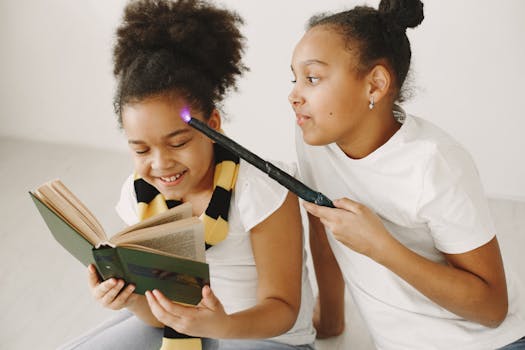
Every child dreams of performing magic—of astonishing friends, making objects disappear, and feeling the thrill of applause. Magic tricks for kids aren’t just about fun; they also build confidence, sharpen focus, and boost social skills. The best part? Many classic illusions require only everyday household items and a little practice. In this guide, you’ll discover why easy magic tricks are perfect for young magicians, how magic fosters learning, and step-by-step secrets to some of the most delightful tricks. Whether you’re a parent, teacher, or young enthusiast, get ready to unlock a world of wonder!
The Benefits of Magic for Children’s Development
Magic is more than just entertainment—it's a powerful tool for childhood development. According to a 2021 study published in “Frontiers in Psychology,” children who practiced magic showed significant improvements in problem-solving abilities and creative thinking compared to those who engaged in other leisure activities. Here’s why magic is such a valuable skill:
- $1: Successfully performing a trick gives children a sense of achievement and pride. A 2019 survey by the Magic Circle found that 82% of young magicians felt more confident after learning magic. - $1: Performing in front of others helps kids articulate clearly and engage an audience. - $1: Manipulating cards, coins, and props refines hand-eye coordination. - $1: Tricks rarely work perfectly on the first try, teaching kids the value of practice and resilience.Famous illusionists like David Copperfield and Dynamo have cited childhood magic as a formative influence, underscoring its role in nurturing imagination and self-expression.
What Makes a Magic Trick Kid-Friendly?
Not all magic tricks are suitable for youngsters. The best tricks for children share common traits:
- $1: Tricks should be easy to learn and remember, often requiring just a few steps. - $1: Only safe, non-hazardous materials should be used—no sharp objects or fire. - $1: Tricks that use readily available items like coins, paper, or rubber bands are ideal. - $1: The more dramatic the effect, the more fun for both the performer and their audience.Here’s a comparison table of popular magic trick categories for kids:
| Trick Type | Difficulty Level | Items Needed | Visual Impact | Learning Time (min) |
|---|---|---|---|---|
| Coin Tricks | Easy | Coins | High | 10-15 |
| Card Tricks | Easy-Medium | Cards | Medium | 15-30 |
| Paper Tricks | Easy | Paper, Pens | Medium | 5-10 |
| Mind Reading | Medium | None or simple props | High | 20-30 |
| Vanishing Objects | Easy | Everyday items | High | 10-20 |
As you can see, coin and paper tricks are among the easiest and fastest to master, making them perfect for beginners.
Step-by-Step: Three Amazing Magic Tricks for Kids
Let’s dive into some classic tricks that are guaranteed to delight. Each trick below can be performed with items you likely have at home.
1. The Disappearing Coin
What you need: A coin and a handkerchief
How to do it: - Place the coin on the table and cover it with the handkerchief. - As you wave your other hand over the cloth, secretly slide the coin towards yourself with a finger and let it drop into your lap. - When you remove the handkerchief, the coin has vanished!Why it works: The secret is misdirection—the audience is focused on the waving hand while the coin is slipped away.
2. Rubber Pencil Illusion
What you need: A standard pencil
How to do it: - Hold the pencil loosely between your thumb and forefinger. - Move your hand up and down rapidly while keeping a loose grip. - To the audience, the pencil will look like it’s made of rubber, wobbling in a magical way.Why it works: The rapid motion creates an optical illusion, making the pencil appear to bend.
3. The Jumping Paper Clip
What you need: A dollar bill and two paper clips
How to do it: - Fold the bill into an “S” shape. - Attach one paper clip to each end of the “S”—one on the outermost fold, one on the innermost. - Pull the ends of the bill apart. The clips will fly into the air and link together.Why it works: The folding and positioning of the clips cause them to interlock when the bill is straightened.
Each of these tricks can be mastered in under 15 minutes with practice, making them perfect for impromptu performances at home or school.
How to Teach Magic Tricks to Kids
Teaching magic is as rewarding as performing it. Here are some tips to make the learning process fun and effective:
- $1: Begin with tricks that have a clear, easy-to-follow method. The success will motivate kids to try more. - $1: Demonstrate the trick slowly, explaining each movement and the reason behind it. - $1: Rehearse with your child, offering encouragement and feedback. - $1: Remind young magicians that how they present a trick is just as important as the secret itself. Encourage storytelling, dramatic pauses, and audience engagement. - $1: Let kids invent their own stories or variations on classic tricks.Research shows that children retain skills better when they teach others, so encourage them to show their new tricks to friends and family.
Magic Shows: Bringing Tricks to Life
Once a child has mastered a few tricks, hosting a magic show can be a thrilling way to showcase their talents. Here’s how to put on a memorable show:
- $1: Select a mix of tricks—for example, one coin trick, one illusion, and one card trick—to keep the audience engaged. - $1: Create a “stage” with a table and some decorations. Even a living room with a colorful tablecloth can feel magical. - $1: Family members, friends, or even classmates can be invited for a special performance. - $1: Help your child plan what to say between tricks to maintain flow and excitement. - $1: Applaud each trick and encourage the audience to participate with cheers or questions.According to a 2022 poll by the International Brotherhood of Magicians, 76% of parents reported that their child’s first magic performance increased their self-esteem.
Choosing the Best Magic Kits for Kids
If your child’s interest in magic grows, a magic kit can be a great next step. These kits provide props, instructions, and often include several tricks tailored to young learners. Here are some factors to consider when selecting a magic kit:
- $1: Look for kits designed for your child’s age group. Many are labeled for ages 5+, 7+, or 10+. - $1: Some kits offer as few as 10 tricks, while others include 100 or more. - $1: Kits with clear, illustrated instructions (and bonus online videos) are best for beginners. - $1: Check reviews to ensure props are sturdy and safe for children.For example, the “Melissa & Doug Magic Set” is a top-rated choice for kids ages 6 and up, featuring 10 classic tricks and wooden props. Meanwhile, the “National Geographic Magic Kit” offers over 50 tricks and focuses on STEM learning, combining magic with science.
Final Thoughts: Creating Lifelong Magic Memories
Magic tricks for kids are more than clever illusions—they are gateways to creativity, confidence, and connection. With just a few simple tricks, children can discover the joy of entertaining others, mastering new skills, and believing in the impossible. Whether performing for family, friends, or a classroom audience, the sense of wonder sparked by magic can last a lifetime. Encourage your young magician to practice, perform, and—most importantly—have fun. The real magic lies not in the trick itself, but in the smiles and laughter it brings.