The History and Evolution of Magic Tricks: From Ancient Mysteries to Modern Marvels
Magic tricks have captivated audiences for centuries, weaving together illusion, mystery, and wonder. The art of conjuring—making the impossible appear real—has evolved dramatically, reflecting changes in culture, technology, and society. But where did magic tricks begin? How did they transform from mystical rituals to mainstream entertainment? Let’s embark on a fascinating journey through the history and evolution of magic tricks, exploring their roots, transformation, and the innovative forces that keep magic alive and astonishing today.
Ancient Beginnings: Magic in Early Civilizations
The roots of magic tricks stretch back thousands of years, intertwined with the earliest human civilizations. In ancient Egypt, magicians were both entertainers and respected members of society, often performing for royalty. One of the oldest recorded magic tricks is the “Cups and Balls,” referenced on pyramid walls dating back to circa 2500 BCE. This classic illusion—making balls appear, disappear, or transform under cups—remains a staple in magic routines worldwide.
In ancient Greece and Rome, magic was associated with both religious rites and public spectacle. Greek temples employed mechanical devices, sometimes called automata, to create “miraculous” effects during rituals. For instance, the Greek inventor Heron of Alexandria (10–70 CE) engineered devices that used water, steam, or air pressure to produce seemingly magical results, such as temple doors opening on their own.
Meanwhile, in China and India, magicians performed rope tricks, sleight-of-hand, and feats of endurance for emperors and commoners alike. The legendary Indian Rope Trick, first chronicled in the 19th century but believed to have earlier origins, involved a rope rising into the air and a boy climbing it—an illusion that mystified Western audiences for decades.
Medieval Mysticism and the Birth of Street Magic
Magic’s journey through medieval Europe was fraught with suspicion and intrigue. From the 5th to the 15th centuries, conjurers performed at fairs, marketplaces, and royal courts, but often faced accusations of witchcraft or deception. The line between magic for entertainment and occult practices was thin, leading to both fascination and fear.
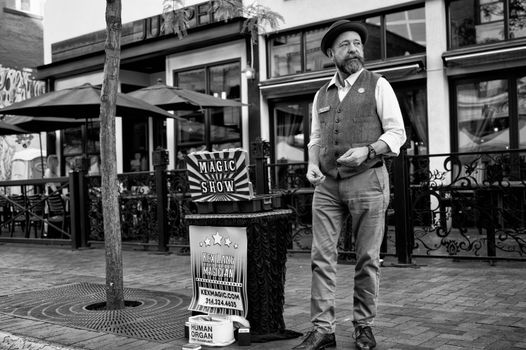
Street magic gained prominence during this era. Jugglers, known as “gleemen” in England, entertained crowds with tricks involving coins, cups, and knives. Written references to sleight-of-hand appear in manuscripts like “The Discoverie of Witchcraft” (1584), by Reginald Scot. This book, intended to debunk witchcraft, revealed how conjurers used misdirection and dexterity rather than supernatural powers—marking a pivotal moment in the public perception of magic tricks.
Notably, the Cups and Balls remained a favorite, while tricks involving fire, dice, and card manipulation began to emerge. The medieval period laid the foundation for magic’s transition from mystical art to popular entertainment.
The Golden Age of Stage Magic: 19th and Early 20th Century Innovations
The 19th century ushered in a golden age for magic, thanks to advances in science, technology, and theater. Magic moved from street corners to lavish stages, captivating audiences in Europe and America. This period saw the rise of the professional magician, with performers like Jean Eugène Robert-Houdin (1805–1871) revolutionizing the art form.
Robert-Houdin, often called the “father of modern magic,” introduced elegant costumes, theatrical lighting, and mechanical illusions, distancing magic from its carnival roots. His Parisian theater, opened in 1845, became a hub for sophisticated conjuring. One of his signature tricks, “The Ethereal Suspension,” appeared to levitate a boy using scientific principles and clever staging.
Harry Houdini (1874–1926), an icon of the early 20th century, pushed the boundaries of escapology—freeing himself from handcuffs, straitjackets, and locked tanks. His legendary stunts drew crowds of thousands and made magic a global sensation.
Other innovators, like Howard Thurston, Harry Kellar, and Chung Ling Soo, developed grand illusions involving vanishing assistants, floating objects, and mind-reading acts. The period also saw the birth of magic societies, such as The Magic Circle (London, 1905) and the Society of American Magicians (1902), which promoted professionalism and secrecy within the community.
Magic in the Age of Media: Television, Film, and Digital Illusions
The advent of film and television transformed magic forever. The earliest magic films, produced by Georges Méliès in the late 19th century, used camera tricks to create impossible effects—paving the way for cinematic illusions. Méliès, himself a stage magician, directed over 500 films, including “A Trip to the Moon” (1902), blending magic and storytelling.
In the mid-20th century, television brought magic into living rooms worldwide. Magicians like Mark Wilson, David Nixon, and Doug Henning became household names, popularizing tricks such as levitation, disappearing acts, and mind reading. The 1970s and 1980s saw David Copperfield redefine stage magic with televised spectacles, including making the Statue of Liberty “disappear” in 1983—a feat watched by over 50 million people.
The rise of internet and social media in the 21st century opened new frontiers. Digital magicians like Justin Flom and Zach King amassed millions of followers by blending traditional sleight-of-hand with video editing and visual effects. Magic apps and augmented reality now allow anyone with a smartphone to perform mind-bending tricks.
Classic Tricks vs. Modern Marvels: A Comparative Overview
Magic’s evolution is marked by the transformation of classic tricks into modern spectacles. Here’s a comparison of some iconic illusions across eras:
| Trick Name | Ancient/Classic Version | Modern Adaptation |
|---|---|---|
| Cups and Balls | Ancient Egypt: Simple cups, pebbles, and basic sleight-of-hand | Contemporary magicians use transparent cups, lasers, or digital enhancements |
| Levitation | 19th-century: Mechanical rigs, wires, or concealed supports | Stage illusions with magnets, hydraulics, or CGI in videos |
| Card Tricks | 16th century: Basic sleight-of-hand, simple force techniques | Complex routines with marked decks, psychological forces, and audience interaction |
| Escapes | Early 20th century: Handcuffs, locked boxes, underwater tanks (Houdini) | Extreme escapes: burning buildings, live broadcasts, or virtual reality settings |
| Mind Reading | Classic: Verbal cues, stooges, or simple coded language | Modern: Incorporation of technology, psychological techniques, and mentalism apps |
The Magic Community and Preservation of Secrets
Magic’s enduring appeal owes much to its passionate community and strict code of secrecy. Magicians value the element of surprise, believing that exposure of methods diminishes the wonder for audiences. Organizations like The Magic Circle and the International Brotherhood of Magicians (founded in 1922) uphold ethical standards, organize conventions, and foster mentorship.
Magic literature has flourished, with classic works like “Modern Magic” by Professor Hoffmann (1876) and “The Royal Road to Card Magic” (1948) shaping generations of performers. Today, the internet offers a double-edged sword: easier access to tutorials, but also a risk of exposing secrets. Many professionals advocate responsible sharing, ensuring that secrets are preserved for those who truly dedicate themselves to the craft.
Interestingly, the number of professional magicians worldwide has grown steadily. In 2023, an estimated 25,000 individuals performed magic professionally, while millions more practiced as hobbyists. Magic conventions, like FISM (Fédération Internationale des Sociétés Magiques), draw thousands of attendees from over 50 countries, highlighting magic’s global reach and cultural diversity.
The Social Impact and Scientific Influence of Magic
Magic tricks are more than entertainment—they have influenced science, psychology, and social change. In the 19th century, magicians collaborated with scientists to debunk spiritualists who claimed supernatural powers. Harry Houdini famously exposed fraudulent mediums, advocating for skepticism and rational inquiry.
Cognitive psychologists study magic to understand attention, memory, and perception. The “Misdirection Effect,” in which magicians guide an audience’s focus away from secret moves, offers insights into how the brain processes information. A study published in Nature Reviews Neuroscience (2010) highlighted how magic exploits cognitive blind spots, aiding research into human consciousness.
Magic also fosters social connection and inclusivity. Programs like “MagicAid” use magic to help children in hospitals cope with illness, while “Open Heart Magic” trains magicians to bring joy to pediatric patients. Magic has been used in therapy, education, and even diplomacy, bridging cultural divides through shared wonder.
Final Reflections: The Ever-Changing Face of Magic Tricks
The history and evolution of magic tricks mirror humanity’s endless curiosity and creativity. From ancient rituals to digital illusions, magic adapts to each era while preserving its timeless allure. Whether performed on a grand stage or a smartphone screen, magic continues to inspire awe, challenge perceptions, and unite people across boundaries.
As technology advances and new generations embrace the art, the future of magic is brighter than ever. Its secrets may evolve, but its power to enchant and astonish will endure as long as there are stories to tell and mysteries to unravel.