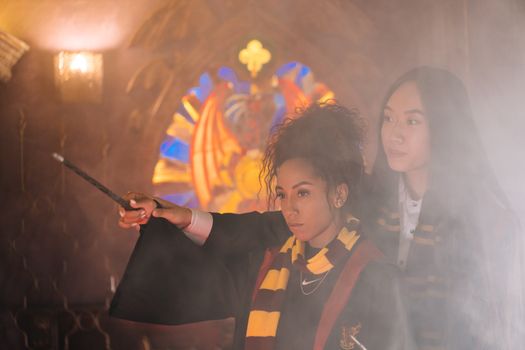
Crafting a Narrative for Your Magic Tricks Performance: Transforming Tricks into Unforgettable Stories
Magic is far more than a sequence of astonishing effects—it is a living, breathing art that thrives on human connection and storytelling. While sleight of hand and technical prowess are essential, what truly elevates a magic performance is the narrative woven throughout the act. A compelling story can turn a simple card trick into a journey, a rope trick into a legend, and a coin vanish into a personal revelation. In today’s age of information, where secrets are a click away, it is the narrative—the emotional resonance and theatrical context—that keeps audiences spellbound.
This article explores how magicians can craft powerful narratives to enhance their performances, engage their audiences, and leave lasting impressions. Whether you’re a hobbyist or a professional, learning the art of storytelling in magic can transform your act from a collection of tricks into an unforgettable experience.
The Power of Narrative in Magic: Why Stories Matter
People have told stories for thousands of years, from cave paintings to epic poems to modern cinema. Stories are how humans make sense of the world. According to a 2017 Stanford study, stories are 22 times more memorable than facts alone. When applied to magic, this means audiences are much more likely to remember and talk about your performance if it is anchored in a compelling storyline.
Consider the difference between these two introductions to a classic cup-and-balls trick:
1. “Watch as I move these balls from cup to cup.” 2. “These cups belonged to a street magician in 18th-century Paris, who outsmarted even the sharpest pickpockets. Let me show you his greatest secret…”The second introduction invites the audience into a world, creates curiosity, and sets the stage for wonder. Storytelling goes beyond simple entertainment; it builds an emotional connection, heightens suspense, and amplifies the impact of each magical moment.
Key Elements of a Magical Narrative
Crafting a narrative for your magic performance doesn’t mean writing a novel. Instead, it involves using classic storytelling elements that resonate with audiences of all ages. Here are the essential components:
1. $1: Every story needs a protagonist. In magic, this could be you (the magician), a fictional character, or even an inanimate object given life through your words. 2. $1: Establish a time and place. Is your trick set in ancient Egypt, a bustling carnival, or your grandmother’s kitchen? 3. $1: Every story thrives on tension. What is at stake? Is there a secret to uncover, a curse to break, or a mystery to solve? 4. $1: How does the magic trick resolve the tension? The “impossible” happens, leaving the audience both satisfied and amazed. 5. $1: The underlying message or emotion—wonder, nostalgia, mischief, or even a lesson—guides the tone of the performance.For example, Penn & Teller often use humor and subversion as their narrative themes, while Derren Brown weaves psychological suspense and intrigue.
Techniques to Incorporate Narrative into Magic Performances
There are various techniques magicians use to integrate storytelling into their acts. Consider these practical strategies:
1. $1: Begin your trick with a story, question, or scenario. For instance, “Have you ever wished you could read someone’s mind? Let’s see if tonight, that wish comes true…” 2. $1: Give your audience a role. Turn a spectator into a detective, a secret keeper, or a participant on a quest. 3. $1: Assign meaning to your props. A deck of cards can become a diary of lost loves; a scarf could be a family heirloom with mystical powers. 4. $1: Reference earlier tricks or stories during your performance to create a sense of continuity and payoff. 5. $1: Take your audience on an emotional journey—build suspense, introduce surprise, and end with a sense of wonder or catharsis.A 2019 survey of 200 professional magicians found that 68% believed integrating a story into their tricks significantly increased audience engagement and recall.
Examples of Narrative-Driven Magic Tricks
To illustrate how powerful narrative can be, let’s examine a few famous routines and how their stories enhance the magic:
- $1: Copperfield doesn’t just perform a dangerous illusion. He tells the story of escaping a deadly predicament, adding tension and personal stakes. - $1: Instead of a simple card trick, Burger sets the scene with a tale of spirits and haunted objects, inviting the audience to suspend disbelief. - $1: Rather than simply forcing a card, DaOrtiz frames the trick around the illusion of free will, prompting spectators to reflect on the nature of choice and fate.These magicians use stories not as window dressing, but as integral components that heighten the emotional and intellectual impact of their performances.
Comparing Narrative Approaches in Magic
Not all narratives are created equal. Some magicians prefer elaborate, multi-trick story arcs, while others use minimalist, evocative scripts. The table below compares common narrative approaches and their effects on audience engagement and performance style.
| Narrative Approach | Description | Best for | Audience Engagement (1-5) | Performance Complexity |
|---|---|---|---|---|
| Full Story Arc | A complete story with setup, conflict, and resolution across several tricks | Theatrical magic shows, stage performances | 5 | High |
| Mini-Story | A short anecdote or vignette tied to a single trick | Close-up magic, street magic | 4 | Moderate |
| Metaphor or Theme | Using a repeated theme or metaphor throughout the act | Corporate events, motivational magic | 3 | Low-Moderate |
| Minimalist Framing | A simple question or premise to spark curiosity | Quick tricks, informal settings | 2-3 | Low |
As shown, more elaborate narratives often lead to greater audience engagement but demand more preparation and performance skill.
Tips for Crafting and Refining Your Magic Performance Story
Writing a compelling story for your magic act is both an art and a science. Here are actionable tips to guide your creative process:
1. $1: Analyze the effect you want to achieve. What emotions or ideas does the trick naturally evoke? Build your story around these feelings. 2. $1: Even if you prefer improvisation, drafting a basic script ensures your story has a clear structure and purpose. 3. $1: Paint pictures with words—describe sights, sounds, and emotions to draw your audience in. 4. $1: Practice telling your story as part of the trick. Notice where the narrative flows or stalls, and refine accordingly. 5. $1: Perform for a small group and ask which parts of your story they remembered most. Use their insights to strengthen weak spots. 6. $1: Children’s stories differ from corporate narratives. Tailor your themes, language, and emotional tone to the specific audience in front of you.For inspiration, consider studying great storytellers outside of magic—authors, comedians, and even TED Talk speakers—to see how they structure and deliver stories for impact.
Elevating Your Magic: The Lasting Impact of a Well-Crafted Narrative
In a world where magic secrets are widely accessible, narrative becomes your most powerful tool for creating memorable, meaningful performances. A magic trick wrapped in a story transforms from a puzzle to an experience—one that lingers in the minds and hearts of your audience long after the curtain falls.
According to a 2021 report by the International Brotherhood of Magicians, performers who consistently use narrative frameworks report up to 40% more repeat bookings compared to those who focus solely on technical skill. The reason is simple: people remember stories, and they return for more.
By integrating storytelling into your magic, you not only entertain but also inspire, provoke thought, and forge connections. The next time you prepare a trick, ask yourself: What story am I really telling?