Becoming a Professional Magician: Step by Step Guide to Turning Passion into Profession
Magic has fascinated audiences for centuries, blending wonder, suspense, and artistry in unforgettable performances. While many enjoy magic as a hobby, transforming this passion into a professional career is a journey that requires dedication, skill, and business savvy. From learning the foundations to developing a unique persona and building a sustainable career, this comprehensive guide explores every step to becoming a professional magician.
The Foundations: Building Your Magic Skill Set
A successful professional magician starts with a solid mastery of the craft. The journey begins by studying classic tricks, understanding the psychology behind illusions, and developing sleight-of-hand techniques.
Learning Resources and Practice
Many magicians start young, but there is no age limit to learning magic. In recent years, the magic industry has grown, with over 10,000 books on magic published and hundreds of online courses available. Magic societies and clubs, such as The Magic Circle or the International Brotherhood of Magicians, offer mentorship, workshops, and networking opportunities.
Consistent practice is essential. On average, a professional magician may spend 2-4 hours a day rehearsing tricks and refining routines. Practice not only sharpens technique but also builds confidence and helps magicians handle unpredictable audience reactions.
Understanding Magic Theory
Beyond the tricks themselves, understanding why illusions work is crucial. Magic theory delves into misdirection, timing, and the art of storytelling. Studies have shown that 78% of audience enjoyment comes from the magician’s ability to engage, not just the trick itself. Reading foundational texts, watching performances by masters such as David Copperfield or Derren Brown, and analyzing audience psychology are key elements in this phase.
Crafting a Unique Magician Persona
What sets a professional magician apart isn’t just technical skill—it’s personality and presentation. The world’s top magicians are memorable not only for what they do, but for who they are on stage.
Developing Your Character
A magician’s persona is the foundation of their brand. From mysterious illusionists to comedic conjurers, finding your authentic voice will help you stand out in a crowded field. Consider your strengths—are you naturally funny, dramatic, or charming? Do you prefer close-up magic, stage illusions, or mentalism? Building a persona around your strengths can lead to higher audience engagement and repeat bookings.
Signature Effects and Routines
Once you have a character, develop signature tricks or routines that audiences will associate with you. For example, Penn & Teller are known for their silent, duo performances, while Shin Lim’s sleight-of-hand is instantly recognizable. Having 3-5 signature effects in your repertoire will make your act unique and marketable.
Costume, Props, and Branding
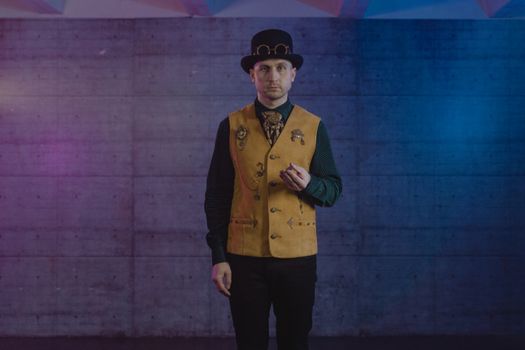
A professional look reinforces your stage persona. Invest in costumes and props that match your style—sleek suits for mentalists, colorful attire for family magicians, or mysterious cloaks for illusionists. Branding extends to your website, business cards, and promotional materials, ensuring a consistent and memorable image.
Training and Education: Formal and Informal Paths
While magic is often self-taught, aspiring professionals can benefit from structured learning and mentorship.
Magic Schools and Workshops
Several institutions and workshops offer formal training, such as the Magic & Mystery School in Las Vegas or the Tannen’s Magic Camp in New York. These programs cover everything from card magic to stage presence, often taught by renowned magicians.
Online Courses and Video Tutorials
The digital age has democratized magic education. Platforms like MasterClass, Penguin Magic, and YouTube offer lessons from world-class performers. In a 2022 survey, 63% of new magicians cited online tutorials as their primary learning resource.
Mentorship and Networking
Joining local magic clubs or societies provides access to experienced performers. Mentorship accelerates learning, offers feedback, and opens doors to performance opportunities. Networking with other magicians also helps you stay current with trends, new tricks, and upcoming events.
Building a Professional Portfolio and Performance Experience
Turning magic into a career means moving beyond friends and family audiences to paid performances and professional gigs.
Gaining Stage Experience
Start by performing at community events, local parties, or open mic nights. Volunteer shows at hospitals or schools can provide valuable stage time and testimonials. According to the Society of American Magicians, most full-time magicians perform at least 100 shows per year, with beginners averaging 1-2 shows per month as they build experience.
Recording Your Performances
A professional portfolio includes high-quality photos, videos, and written testimonials. Record performances (with permission) to showcase your best routines. A 2-3 minute highlight reel is essential for booking agents and event planners.
Building a Website and Social Media Presence
A modern magician needs an online presence. Your website should include a biography, photos, showreels, testimonials, and contact information. Active social media profiles on platforms like Instagram, Facebook, and TikTok can attract new fans and clients. For example, magician Zach King amassed over 75 million followers on TikTok through viral video illusions, illustrating the power of social media in building a fanbase.
Turning Magic into a Business: Marketing and Income Streams
Professional magicians are also entrepreneurs. Understanding the business side of magic is crucial for long-term success.
Booking Gigs and Negotiating Fees
Magicians perform at a variety of events—corporate functions, weddings, festivals, and private parties. Fees vary widely depending on experience, location, and event type. According to GigSalad, U.S. magicians charge between $250 and $2,000 per show, with top professionals earning significantly more.
Marketing Strategies
Effective marketing includes online ads, networking with event planners, and word-of-mouth referrals. Many magicians offer themed packages, such as holiday shows or magic workshops for schools, to diversify their services.
Income Diversification
Beyond live performances, magicians can create online courses, sell magic props, or write books. Some supplement their income with television appearances, consulting for movies, or creating viral content. The table below compares common income streams for professional magicians:
| Income Stream | Average Annual Revenue | Pros | Cons |
|---|---|---|---|
| Live Performances | $10,000 - $100,000+ | High earning potential, direct audience feedback | Requires travel, inconsistent bookings |
| Online Courses | $2,000 - $50,000 | Passive income, global reach | Requires content creation skills |
| Product Sales | $1,000 - $20,000 | Scalable, builds brand | Inventory and shipping logistics |
| Consulting/TV | $5,000 - $50,000 | Prestige, networking | Hard to access, competitive |
Staying Relevant: Continuous Learning and Adaptation
The world of magic evolves rapidly. New technologies, changing audience tastes, and global trends mean that professional magicians must continually update their skills.
Learning New Tricks and Techniques
Attend conventions, subscribe to magic journals, and collaborate with other performers to stay inspired. In 2023, more than 1,000 new magic tricks were released worldwide, highlighting the constant innovation in the field.
Adapting to Changing Audiences
Younger audiences may prefer digital magic, while corporate clients might seek motivational performances. Flexibility and willingness to adapt will keep your act relevant and in demand. For instance, during the COVID-19 pandemic, many magicians pivoted to online shows, with some reporting a 40% increase in bookings for virtual events.
Professional Development
Consider taking courses in acting, public speaking, or business management. These skills enhance your stage presence and help you run your business effectively. Networking with magicians globally—through forums, conventions, or social media—ensures you stay current with international trends.
Final Steps: Achieving Professional Magician Status
Becoming a professional magician is a journey of passion, resilience, and creativity. It requires more than just technical skill—it’s about crafting a memorable persona, understanding the business, and continually striving for excellence. With the right blend of artistry and entrepreneurship, you can turn your love for magic into a successful, rewarding career. Remember, every legendary magician started with a single trick and a dream. Now, it’s your turn to step into the spotlight.