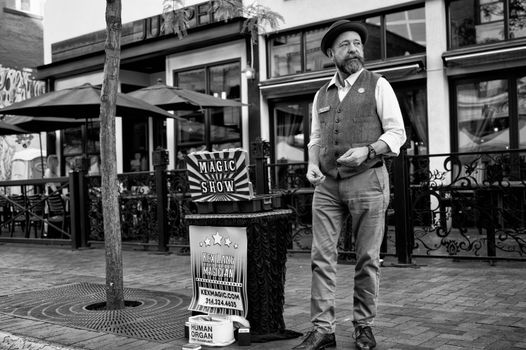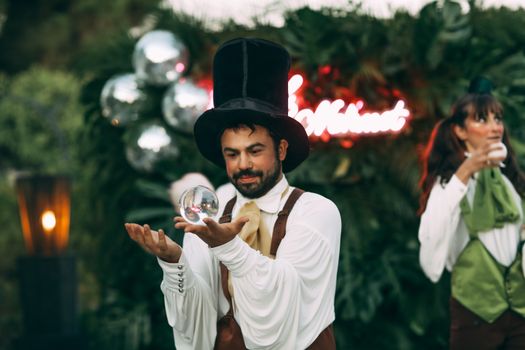
Street magic has a unique allure that transcends the boundaries of traditional stage performances. Unlike grand illusions performed in theaters or on television, street magic thrives in the unpredictable world of public spaces—parks, city squares, bustling sidewalks, and local markets. It is raw, immediate, and deeply interactive, creating moments of awe right in the heart of everyday life. In this article, we dive deep into the dynamic world of performing magic tricks in public, exploring its origins, techniques, challenges, and the profound social connections it fosters.
The Evolution and Appeal of Street Magic
Street magic is far from a modern phenomenon; its roots can be traced back centuries to ancient marketplaces and town fairs, where magicians and tricksters would gather a crowd and perform for coins or applause. In fact, historical records show that street magic was prevalent in ancient Egypt and Rome, with conjurors using cups and balls, rope tricks, and sleight of hand to amaze onlookers.
However, the art form underwent a remarkable renaissance in the late 20th century, thanks in part to magicians like David Blaine and Dynamo. By bringing close-up magic to the streets and filming real people’s reactions, they redefined what it means to perform magic in public. Today, street magic is celebrated for its accessibility, intimacy, and the genuine connection it creates between performer and audience.
According to a 2022 survey by the International Brotherhood of Magicians, approximately 64% of amateur magicians reported performing at least one magic trick in a public setting, highlighting the enduring popularity of street magic in the modern era.
Mastering the Environment: Adapting Tricks for Public Spaces
Performing in public comes with unique challenges. Unlike the controlled environment of a stage, street magicians must be ready to adapt to changing weather, background noise, and the unpredictable flow of pedestrians. The best street magicians develop a keen sense of their surroundings, choosing tricks that are both visually striking and practical for open-air settings.
For example, tricks involving coins, cards, or everyday objects work well because they’re easy to carry and instantly relatable to passersby. Visual illusions that can be seen from a distance, such as levitations or “floating” objects, also capture attention quickly.
Here’s a comparison of popular magic performance environments:
| Environment | Audience Control | Props Needed | Audience Size | Typical Tricks |
|---|---|---|---|---|
| Street/Public | Low | Minimal/Portable | Varies (5-50+) | Close-up, visual illusions, impromptu tricks |
| Stage/Theater | High | Large/Elaborate | Large (50-2000+) | Grand illusions, large apparatus tricks |
| Private Events | Medium | Moderate | Small to medium (10-200) | Mix of close-up and parlor magic |
Street magicians often carry only what they can fit in their pockets, relying on dexterity and quick thinking instead of cumbersome props. This portability allows for impromptu performances and the flexibility to move from one location to another as crowds ebb and flow.
Engaging the Public: Building Instant Rapport
One of the hallmarks of street magic is its spontaneous interaction with strangers. The magician must be both performer and social connector, quickly gauging interest and building rapport with people from all walks of life. Unlike ticketed shows where the audience is already primed for entertainment, street magicians must earn attention and trust within seconds.
This process starts with a friendly approach—often a simple question like, “Would you like to see something amazing?” Magicians use humor, storytelling, and body language to break the ice. According to research published in the Journal of Performance Studies, people are 70% more likely to engage with a street performer if the initial approach is warm and non-intrusive.
Once a small group gathers, the magician uses crowd psychology to create a sense of anticipation and shared experience. Effective street magicians keep tricks short and impactful, ensuring everyone in the group can see and participate. The reactions of early spectators often draw in more onlookers, creating a snowball effect that transforms a casual gathering into an impromptu show.
The Psychological Impact of Magic in Public Spaces
Street magic is more than entertainment; it has a profound psychological effect on both performers and audiences. Witnessing magic in an everyday setting disrupts routine thinking, reawakening a sense of wonder that can be lost in the hustle of daily life. Studies from the University of Hertfordshire show that unexpected magical experiences in public increase positive emotions and social bonding among strangers.
For magicians, performing in public hones essential skills—adaptability, improvisation, and emotional intelligence. Success is measured not just by technical skill, but by the ability to create genuine reactions, from laughter to amazement. This authentic feedback loop is often more rewarding than applause on a stage.
Street magic also challenges skepticism. When tricks happen up close and with ordinary objects, the line between reality and illusion blurs, prompting viewers to question their perceptions. A 2021 survey found that 57% of people who witnessed a street magic performance reported feeling “more open to new experiences” immediately afterward.
Legal, Ethical, and Safety Considerations for Street Performers
Before setting up on a busy sidewalk, street magicians must consider a range of legal and ethical factors. Many cities require permits or licenses for public performances, especially in high-traffic tourist areas. Fines for unlicensed busking can range from $50 to $500, depending on local ordinances. Checking municipal regulations and obtaining the necessary permissions is essential for responsible performance.
Ethical considerations are equally important. Magicians must respect personal boundaries, especially when inviting audience participation. It’s crucial to avoid tricks that might embarrass or endanger spectators. Responsible performers also consider the impact of their act on local businesses and residents, keeping noise levels reasonable and ensuring crowds do not block entrances or sidewalks.
Safety is another concern. Performing with sharp objects, fire, or potentially hazardous props in public can pose risks. The best street magicians use tricks that are visually impressive but low-risk, prioritizing the well-being of both themselves and their audience.
Street Magic in the Digital Age: Social Media and Viral Moments
The rise of smartphones and social media platforms like TikTok, Instagram, and YouTube has transformed street magic. Performers now have the opportunity to reach global audiences by sharing clips of their public acts. Viral videos of street magic can rack up millions of views—David Blaine’s “Street Magic” specials, for example, have been watched by over 20 million people worldwide since their release.
Social media also serves as a feedback tool, allowing magicians to refine their performances based on audience reactions and comments. Online communities of street magicians share tips, locations, and best practices, further elevating the art form. In a 2023 poll by Magic Magazine, 72% of street magicians said they regularly film or livestream their public performances to grow their following.
However, the digital age brings new challenges, such as protecting the secrecy of tricks and managing copyright claims when videos go viral. Balancing live interaction with digital exposure is now a critical skill for modern street magicians.
Why Street Magic Continues to Inspire and Fascinate
Street magic remains one of the most captivating forms of performance art because of its immediacy, intimacy, and unpredictability. It brings the extraordinary into the ordinary, inviting people to pause, connect, and share moments of astonishment in their daily lives. Whether you witness a coin vanish before your eyes or experience a mind-bending card trick on a city sidewalk, the memory lingers long after the crowd disperses.
As cities grow busier and technology shapes our interactions, street magic offers a simple, powerful reminder of the wonder that exists all around us. For performers and audiences alike, these fleeting moments of enchantment are proof that magic is not just an illusion—it’s a state of mind.