The Secret Language of Props: How Magicians Use Objects to Create Wonder
Magic has always been about more than sleight of hand or quick reflexes. At the heart of every unforgettable illusion lies a carefully chosen prop—a silent partner that transforms ordinary moments into extraordinary spectacles. While the audience sees mere objects, magicians see opportunities: every coin, scarf, box, or digital device is a word in the secret language of magic. But how do these props actually function within the art of illusion? Why are certain items chosen, and what makes them so effective at captivating audiences? This article uncovers the hidden roles props play in magic tricks, from psychological manipulation to storytelling, and explores how they shape the entire experience for both performer and spectator.
The Psychology Behind Magic Props: More than Meets the Eye
Props aren’t just physical tools; they are psychological instruments that guide audience perception. According to a 2016 study published in $1, successful magic relies heavily on “attentional misdirection”—focusing an audience’s attention away from the method and toward the effect. Props are central to this process.
For example, a magician’s wand isn’t only a classic symbol; it’s often used to direct visual attention. The magician’s hand gestures with the wand, drawing the eyes away from secret moves occurring elsewhere. Similarly, brightly colored scarves or flashy rings become focal points, subtly manipulating where the audience looks and what they remember.
A 2021 survey by the Magic Circle found that 78% of professional magicians design their props with psychology in mind, prioritizing factors like audience familiarity, color, and unpredictability. The more “innocent” an object appears, the less likely spectators are to suspect it as a tool of deception.
Props as Storytelling Devices: Building Narratives with Objects
Great magic is more than just a sequence of puzzles—it’s a story. Props help magicians construct narratives that engage the imagination. Consider the difference between pulling a coin from behind a child’s ear and producing a signed playing card from a sealed envelope. Both tricks are impressive, but the latter tells a more complex story—one of impossibility and suspense, amplified by the prop.
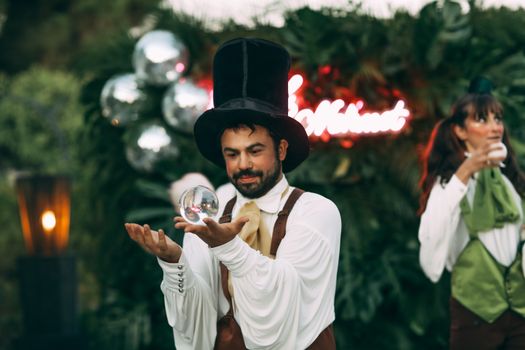
Props become symbols. The classic top hat conjures images of Victorian parlors and old-time spectacle. Modern magicians might use smartphones or lasers, reflecting today’s fascination with technology. According to Dr. Gustav Kuhn, a cognitive psychologist specializing in magic, “Props anchor the illusion in a context, making the effect more relatable and emotionally engaging.”
Magicians often customize their props to fit their persona or the theme of their act. For example, Penn & Teller are known for using transparent props to subvert expectations, while David Copperfield’s grand illusions rely on massive, elaborate set pieces. These choices are intentional, shaping the emotional arc of the performance.
Innovation and Secrecy: The Hidden Engineering Behind Props
While some props are everyday objects, others are feats of engineering designed to withstand scrutiny. The secretive world of magic prop design is an industry in itself, with specialized craftsmen and inventors creating equipment that pushes the limits of deception.
The Magic Castle in Hollywood reports that over 400 new prop designs are submitted to their archives each year, many incorporating cutting-edge materials or hidden electronics. For instance, invisible thread—nearly impossible to detect with the naked eye—has enabled levitation effects since the 1950s. In recent years, microcontrollers and RFID tags have been embedded in props for highly sophisticated routines.
Despite technological advances, secrecy remains paramount. The International Brotherhood of Magicians’ code of ethics prohibits the unauthorized disclosure or sale of trick mechanisms. This secrecy preserves the wonder for audiences and protects the intellectual property of creators. In fact, several famous props—including the zig-zag girl illusion—are patented, and legal disputes over prop designs have occurred as recently as 2022.
Props and Audience Interaction: Breaking the Fourth Wall
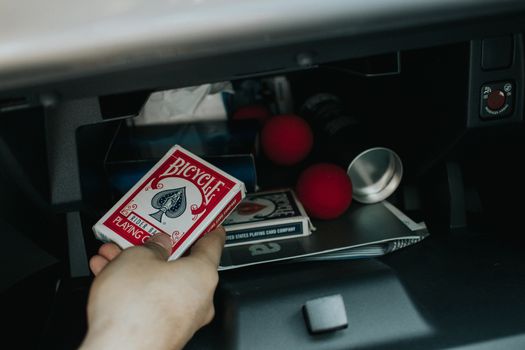
Props don’t just assist magicians—they invite the audience into the act. By handing a deck of cards to a spectator or borrowing a coin, magicians create a sense of authenticity. Audience involvement not only heightens suspense but also dispels suspicion that the props are “gimmicked,” even when they are.
A 2019 survey by the Society of American Magicians found that tricks involving borrowed or examinable props were rated 25% more “impossible” by lay audiences than those using obviously specialized equipment. This interaction blurs the line between performer and participant, making the magic feel personal and immediate.
Magicians also use props to manage the pacing of a show. A series of increasingly elaborate objects can build tension, while a sudden switch to a simple, everyday item can surprise and delight. The careful choreography of props on stage is as crucial to the performance as the tricks themselves.
Props and Cultural Influence: How Objects Reflect Societal Trends
Throughout history, the props chosen by magicians have mirrored societal interests and technological advancements. In the 19th century, magic acts featured automata and mechanical devices, reflecting the era’s fascination with machinery. In the 21st century, smartphones, tablets, and other digital devices have become popular props, speaking to our tech-savvy culture.
For example, French magician Yann Frisch’s award-winning “Baltass” act uses nothing but a cup and ball—a nod to centuries-old street magic—while modern illusionists like Marco Tempest incorporate augmented reality and robotics into their performances. According to a 2023 report by Magic Magazine, over 40% of new stage illusions now involve electronics or digital components.
The choice of prop can also resonate with different demographics. Children’s magicians often use colorful, oversized objects for visual appeal, while mentalists might favor books or watches to suggest intellect and sophistication. This adaptability ensures that magic remains relevant and engaging across generations.
Traditional vs. Modern Magic Props: A Closer Look
| Feature | Traditional Props | Modern Props |
|---|---|---|
| Main Materials | Wood, metal, fabric | Plastics, electronics, digital screens |
| Common Examples | Wands, cups & balls, silk scarves | Smartphones, LED cubes, AR glasses |
| Complexity | Mostly mechanical, visible workings | Often electronic, hidden controls |
| Audience Reaction | Nostalgic, classic wonder | High-tech amazement |
| Customization | Hand-painted, artisan-made | Software-programmed, mass-produced or bespoke |
This table illustrates the progression of materials, complexity, and audience reactions as the art of magic evolves with technology and social change.
The Enduring Magic of Ordinary Objects
Props are the silent stars of the magic world—objects that, in the hands of a skilled performer, transcend their ordinary nature to create moments of awe. Whether crafted from wood or loaded with microchips, props are not simply tools but storytellers, psychological guides, and bridges between magician and audience. Their evolution mirrors our culture, their secrets inspire wonder, and their presence is essential to the enduring appeal of magic. As long as there are objects in the world, there will be new ways to astonish and delight, keeping the art of magic forever fresh and surprising.