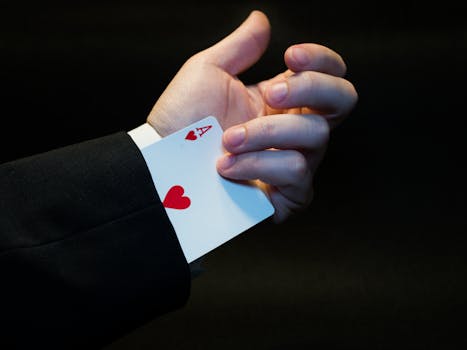
Magic has always been shrouded in secrecy, captivating audiences with illusions that challenge our perceptions of reality. The allure of a magic trick lies not only in its mystery but also in the unspoken pact between magician and audience: the secrets behind the illusion remain hidden. But in a digital age where information flows freely and curiosity is just a click away, the ethics and etiquette of revealing magic tricks have become topics of spirited debate within both the magic community and the public at large. This article delves deep into the moral dilemmas, cultural conventions, and practical consequences of exposing magic’s secrets, helping readers understand why this issue matters and how to navigate it respectfully.
Why the Secrecy of Magic Tricks Matters
Magic thrives on the unknown. The sense of wonder that comes from witnessing the impossible—whether it’s a coin vanishing into thin air or a person floating above the stage—depends on not knowing how the trick is done. This secrecy is the bedrock of the magician’s craft, and preserving it is crucial for several reasons:
1. $1 Studies show that 89% of people report a greater sense of enjoyment when they do not know how a magic trick is performed. When secrets are revealed, the sense of awe and surprise that magic is meant to inspire often evaporates. 2. $1 Many magicians spend years developing unique tricks or perfecting variations. Exposing these secrets without permission is akin to leaking a film’s ending or plagiarizing an artist’s work. 3. $1 For many performers, magic is more than a hobby—it’s a career. Revealing their methods can damage reputations and diminish their earning potential. According to the International Brotherhood of Magicians, up to 62% of professional magicians have experienced negative financial impact due to the unauthorized exposure of their effects. 4. $1 The tradition of secrecy is a shared value among magicians across generations and cultures. Breaking this code can cause rifts within the community and undermine the art form as a whole.The Moral Dilemmas of Exposing Magic Secrets
The question of whether to reveal a magic trick raises complex ethical considerations. On the one hand, education and curiosity drive people to seek knowledge. On the other, magicians argue that revealing secrets is a betrayal of trust, both to the performer and to fellow enthusiasts.
$1 - $1 Magic tricks are often protected as intellectual property. Unapproved exposure can be considered theft of creative work. - $1 There is an unwritten code among magicians, sometimes referred to as the “Magician’s Oath,” promising not to reveal secrets to the uninitiated. Breaking this trust can lead to exclusion from community circles and events. - $1 Once a trick is revealed on a large scale, it can lose its effectiveness for other magicians using the same method. $1 - $1 Some believe that exposing tricks can help demystify the art and encourage innovation. - $1 Revealing older or widely known tricks can be important for documenting magic’s evolution, especially when the tricks are no longer in active use.The balance between these perspectives often depends on context: Is the revelation for educational purposes, or is it simply to spoil the fun for others? Is the trick proprietary or part of the public domain? These questions highlight the nuanced nature of the debate.
Modern Challenges: The Internet and Social Media
The landscape of magic has changed dramatically in the past two decades, largely due to the rise of the internet and social media. YouTube, TikTok, and online forums have made it possible for anyone to upload tutorials or expose the mechanics of popular tricks.
- $1 As of 2023, over 6,500 new magic trick tutorials are uploaded to YouTube each month. Some of these videos garner millions of views, making it difficult for magicians to keep even classic illusions secret. - $1 Online exposés often fail to credit the original creators or explain the ethical implications, leading to widespread misunderstanding and misuse. - $1 In the past, learning magic required mentorship or membership in a society, which helped preserve secrets. Now, barriers are lower, and anyone can access guarded techniques.The table below compares traditional and modern approaches to learning and revealing magic tricks:
| Aspect | Traditional Magic Community | Internet & Social Media |
|---|---|---|
| Access to Secrets | Through mentorship, books, and societies | Open access via video tutorials and forums |
| Control Over Content | Regulated by community norms and oaths | No formal oversight; anyone can publish |
| Credit to Creators | Emphasized and enforced | Often ignored or omitted |
| Educational Quality | Structured, with context and ethics | Varied; often superficial or incomplete |
This shift presents both opportunities and challenges. While democratizing access can inspire new magicians, it also risks diluting the art’s integrity and value.
The Etiquette of Sharing and Learning Magic Tricks
If you are excited about magic and wish to share your discoveries, it is important to follow a set of unwritten rules—an etiquette respected by the magic community worldwide.
$1 If a trick’s creator is alive or the trick is under copyright or trademark, always obtain explicit permission before sharing its secret, especially in public forums.
$1 If you do share a method, acknowledge the original creator. This respects their work and maintains the lineage of the art.
$1 Consider who you are revealing the trick to. Is it a fellow magician seeking to learn, or a layperson who simply wants to spoil the fun? Sharing with those genuinely interested in learning is different from exposing secrets for attention.
$1 Even when teaching, preserve the sense of wonder. Focus on the performance aspect, not just the mechanics. Many magicians encourage students to develop their presentation style rather than simply copying tricks.
$1 Don’t reveal secrets on platforms with broad audiences, such as social media or television, unless it’s for educational purposes and done respectfully.
$1 Purchase tricks, books, and props from reputable sources. This supports creators and ensures the continued growth and innovation of the magic community.
Consequences of Unethical Exposure
Revealing magic tricks without proper consideration can have lasting repercussions, not just for individual magicians but for the art form as a whole.
- $1 When secrets are widely known, audiences become skeptical, and the emotional impact of magic is diminished. A 2021 survey in the UK found that 71% of respondents enjoyed magic less after learning how tricks were done. - $1 Magicians whose signature effects are exposed may struggle to book shows or command the same fees. Some performers have had to retire entire acts after viral exposures. - $1 Those who reveal tricks unethically may be blacklisted from magic societies, conferences, and conventions. - $1 If creators fear their ideas will be stolen or exposed, they may be less likely to develop new tricks, stunting the evolution of magic.These consequences underscore why so many magicians are passionate about preserving the mysteries of their art.
Finding a Responsible Balance: Learning Without Ruining the Magic
For those fascinated by magic, it’s perfectly natural to want to learn how tricks are done. The key is to strike a balance between satisfying curiosity and respecting the craft.
- $1 Many local and international organizations offer mentorship and structured learning, guided by ethical standards. - $1 Purchase books, DVDs, and props from established magicians and stores. This ensures you’re learning responsibly and supporting creators. - $1 Share what you learn only with those who genuinely want to learn, and always with respect for tradition and the creators’ wishes. - $1 Remember that magic is as much about showmanship as it is about secrets. Developing your style and presentation will bring more joy than simply knowing how tricks are done.By following these principles, you can enjoy the thrill of learning magic while helping to keep its mysteries—and its magic—alive for future generations.