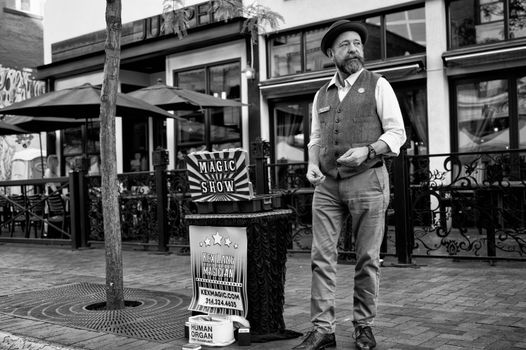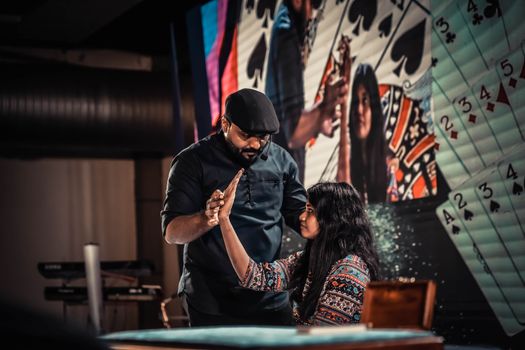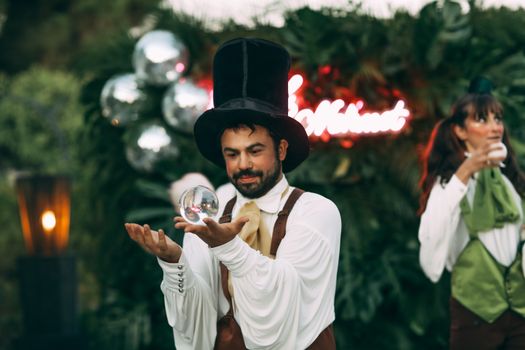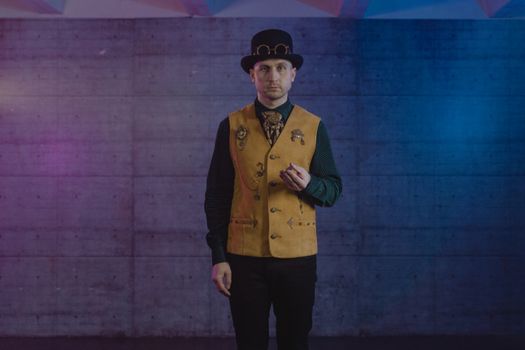
Magic has been woven into the fabric of Czech culture for centuries, influencing everything from folklore and entertainment to art and literature. While many know the Czech lands for their castles, beer, and hearty cuisine, few realize how deeply magic — both as mystery art and as supernatural belief — has shaped the nation’s cultural identity. This article explores the fascinating journey of magic in Czech history, from ancient rituals to the celebrated magicians of the modern era, revealing how the Czech Republic became a cradle of magical tradition and innovation.
Ancient Roots: Pagan Rituals and Slavic Mysticism
The origins of magic in Czech culture trace back over a thousand years to the era of Slavic paganism. Long before the arrival of Christianity in the 9th and 10th centuries, the inhabitants of Bohemia, Moravia, and Silesia practiced rituals meant to appease nature spirits, protect villages, and bring good harvests. Archaeological findings near the Vltava River, for example, have uncovered figurines and talismans dating from the 6th century AD, believed to have been used in fertility rites.
Slavic mythologies were rich with magical beings — vodníci (water goblins), rusalky (water nymphs), and perníková bába (the gingerbread witch) — many of which survive as figures in Czech fairy tales today. Folk healers, known as “babky kořenářky,” combined herbal medicine with incantations, straddling the line between respected wisdom and feared witchcraft. These early expressions of magic were not merely entertainment; they were vital to community cohesion and survival in a world dominated by the unpredictable forces of nature.
Middle Ages: From Witch Trials to Court Magicians
With the spread of Christianity, the medieval period brought about a complex relationship with magic. The Catholic Church condemned many magical practices as heretical, especially those associated with witchcraft. The infamous witch trials that swept across Europe in the 15th to 17th centuries did not spare the Czech lands. Between 1678 and 1696 alone, the Moravian town of Velké Losiny saw over 100 people tried for witchcraft, resulting in dozens of executions.
Yet, this era was also marked by fascination with alchemy and the occult, especially among the nobility. The reign of Emperor Rudolf II (1576–1612), who ruled from Prague, was a golden age for alchemists, astrologers, and magicians. Rudolf's court attracted luminaries such as John Dee, Edward Kelley, and Tycho Brahe, who sought the Philosopher’s Stone and experimented with mystical sciences. Prague became known as the “magic capital of Europe,” a reputation it still carries today.
| Period | Dominant Magic Practice | Notable Figures | Key Events |
|---|---|---|---|
| 6th–10th Century | Pagan Rituals, Folk Magic | Babky kořenářky | Slavic festivals, fertility rites |
| 15th–17th Century | Witchcraft, Alchemy | Rudolf II, John Dee | Witch trials, Prague as alchemical hub |
| 19th Century | Stage Magic, Spiritualism | František Savarín | Rise of magic theaters |
| 20th–21st Century | Modern Illusionism | Pavel Kožíšek, Karel Zima | International magic festivals |
Folklore and Fairytales: Magic in Czech Oral Tradition
Czech folklore is saturated with magical themes, reflecting the culture’s enduring fascination with the supernatural. Classic tales collected by writers like Božena Němcová and Karel Jaromír Erben feature enchanted forests, talking animals, and cunning witches. The story of “Čert a Káča” (The Devil and Kate) or “Otesánek” (The Little Otik) are prime examples where magic serves as both a force of chaos and a tool for justice.
Magic words and rituals are often depicted as central to resolving conflicts or achieving the impossible in these stories. For example, the “nine herbs charm” — a healing incantation recited over herbal mixtures — was a staple in many villages until the early 20th century. According to the Czech Ethnographic Society, over 60% of rural communities maintained some form of magical tradition as late as 1900.
These stories were not isolated to children’s entertainment; they were an essential means of transmitting cultural values, warnings, and hopes. The persistence of magical motifs in Czech literature and theater, from Jan Drda’s “Fairy Tales” to Jiří Trnka’s animated films, attests to the deep roots of magic in the national psyche.
The Rise of Modern Magic: From Cabarets to International Fame
By the late 19th and early 20th centuries, magic underwent a transformation from rural superstition to sophisticated stage entertainment. Prague’s burgeoning café culture and cabarets became the breeding ground for illusionists and mentalists. František Savarín (1861–1941) is often credited as the “father of Czech magic,” founding the first Czech Magic Club in 1909 and inspiring a new generation of performers.
The interwar period saw Czech magicians gaining international recognition. Artists like Karel Vrtis and Jaroslav Zeman performed across Europe, blending classic sleight-of-hand with innovative tricks. After World War II, despite the restrictions of the Communist regime, magic thrived as a form of escapist entertainment. The legendary “Divadlo kouzel” (Theater of Magic) in Líbeznice, established by Pavel Kožíšek in 1998, continues this tradition, drawing over 30,000 visitors annually.
Today, the Czech Republic boasts more than 40 registered magic clubs and hosts major events like the “Prague Magic Carnival.” Czech magicians have won awards at international competitions, cementing the country’s reputation as a powerhouse in the world of illusion.
Magic in Czech Art, Film, and Popular Culture
Beyond stage performance, magic has left an indelible mark on Czech art and pop culture. The works of surrealist artist Jan Švankmajer, whose stop-motion films like “Alice” (1988) evoke dreamlike, magical worlds, are celebrated worldwide. Meanwhile, the whimsical puppetry of Jiří Trnka regularly features magicians, enchanted objects, and fantastical transformations.
The 1952 film “The Emperor’s Nightingale,” based on a Hans Christian Andersen fairy tale and directed by Karel Zeman, is a masterpiece of magical realism, blending live-action with animation. More recently, Czech fantasy literature — such as the “Kladivo na čarodějnice” (Witchhammer) by Václav Kaplický — has explored the historical trauma of witch trials through a contemporary lens.
Even in advertising and tourism, magic is a recurring motif. The “Magical Prague” campaigns attract millions of visitors each year, eager to experience the city’s mysterious alleyways, Golem legends, and alchemical lore.
Why Magic Remains Integral to Czech Identity
Magic’s enduring presence in Czech culture is more than just historical curiosity. It reflects a national tendency toward skepticism and irony, as well as resilience in the face of oppression. During the Communist era, for example, magicians used their art as subtle commentary on censorship and state control, embedding coded messages in their illusions.
A 2018 survey by the Czech Academy of Sciences found that 28% of Czechs believe in some form of supernatural power, compared to just 18% in neighboring Germany. This openness to magic, whether as belief or entertainment, helps explain the thriving contemporary scene.
Moreover, the Czech approach to magic is characterized by a blend of playfulness and profundity. Whether in the figure of the trickster in folk tales, the scholarly alchemist at Rudolf II’s court, or the modern street magician, magic is both a source of wonder and a tool for questioning reality.
Legacy and Future of Magic in Czech Culture
The history of magic in Czech lands is a testament to the country’s ability to balance tradition and innovation. From pagan rites to international magic festivals, magic has continually adapted to reflect the changing values and aspirations of Czech society.
Educational initiatives, such as the “School of Magic” workshops for children, ensure that these traditions are passed on to new generations. Meanwhile, digital platforms and social media enable Czech magicians to reach audiences worldwide, keeping the culture’s magical spirit alive and evolving.
As the Czech Republic looks to the future, its rich magical heritage offers both a link to the past and an inspiration for creativity, curiosity, and resilience.